


























- Genuine strategies and spinking to maximize your gaming potential
- Optimizing Input Devices for Precision
- The Importance of Polling Rate
- Visual Settings and Performance Balancing
- Monitoring System Resources
- Network Optimization and Latency Reduction
- Advanced Network Techniques
- Audio Customization and Spatial Awareness
- Beyond Settings: Ergonomics and Player Health
Genuine strategies and spinking to maximize your gaming potential
The world of gaming is constantly evolving, demanding players not only possess quick reflexes and strategic thinking, but also a deep understanding of game mechanics and optimization techniques. A lesser-known, but increasingly important, element of achieving peak performance is mastering the art of spinking. This refers to the subtle, yet powerful, adjustments players make to their in-game settings, control schemes, and even their hardware configurations to gain a competitive edge. It’s about personalizing the experience to maximize efficiency and responsiveness, ultimately leading to improved gameplay.
While often associated with specific genres like first-person shooters or massively multiplayer online role-playing games (MMORPGs), the principles of customization extend to nearly every type of video game. It’s more than just selecting a preferred difficulty level; it's a meticulous process of refining every variable within a player’s control. Successful gamers realize that a standardized approach doesn't suit everyone, and adapting to individual preferences is critical. This often involves extensive experimentation, analyzing performance data, and learning from the experiences of other players within the community. The goal is to create a seamless connection between the player's intentions and the game’s response, minimizing latency and maximizing control.
Optimizing Input Devices for Precision
One of the initial areas players explore when delving into optimization is their input devices. The keyboard and mouse are the most common, but controllers, racing wheels, and even touchscreens all require careful consideration. For mouse users, dots per inch (DPI) is a crucial setting. A higher DPI translates to faster cursor movement, but it can also make fine adjustments more difficult. Finding the sweet spot depends heavily on the player’s monitor resolution, mousepad size, and personal preference. Experimenting with different DPI settings and in-game sensitivity values is essential to achieve a comfortable and accurate aiming experience. Beyond DPI, customizing mouse buttons for frequently used actions can drastically improve reaction time.
Keyboard optimization often focuses on key bindings. Re-mapping keys to more intuitive positions can significantly enhance gameplay, especially in complex games with numerous commands. Consider placing frequently used abilities or actions on keys that are easily accessible with your primary hand. Furthermore, anti-ghosting and N-key rollover are important features to look for in a gaming keyboard. These technologies prevent keystrokes from being dropped when multiple keys are pressed simultaneously, ensuring that every command is registered accurately. This is particularly crucial in fast-paced games where split-second timing can be the difference between victory and defeat.
The Importance of Polling Rate
Polling rate, measured in Hertz (Hz), refers to how frequently your input device reports its status to the computer. A higher polling rate means less input lag, giving the player a more responsive experience. While most modern gaming mice and keyboards offer polling rates of 1000Hz, older or lower-end devices may have lower rates. Increasing the polling rate, if available, can contribute to smoother gameplay, but it also consumes more CPU resources. Modern processors can generally handle 1000Hz polling rates without issue, but it’s something to keep in mind, particularly on older systems.
| Device | Recommended DPI/Polling Rate | Key Binding Focus |
|---|---|---|
| Gaming Mouse | 400-1600 DPI, 1000Hz Polling Rate | Prioritize frequently used actions, utilize side buttons |
| Gaming Keyboard | N-Key Rollover, 1000Hz Polling Rate | Intuitive key mappings, consider ergonomic layouts |
| Gaming Controller | Adjust stick sensitivity, customize button layouts | Optimize for comfort and accessibility |
Understanding and fine-tuning these input device settings is a cornerstone of effective optimization and can greatly improve your control and precision in any game, pushing you closer to mastering the underlying nuances of spinking.
Visual Settings and Performance Balancing
Visual fidelity is a major draw for many gamers, but pushing graphics settings to the maximum can often come at the cost of performance. Achieving a balance between visual quality and frame rate is crucial for a smooth and enjoyable gaming experience. Lowering settings like shadows, anti-aliasing, and ambient occlusion can significantly improve frame rates, especially on less powerful hardware. Utilizing technologies like NVIDIA’s DLSS or AMD’s FSR can also help boost performance without sacrificing too much visual quality, leveraging AI to upscale lower-resolution images to higher resolutions. Experiment with different combinations of settings to find the optimal balance for your system.
Beyond the core graphics settings, resolution plays a significant role in performance. Dropping from 4K to 1440p, or even 1080p, can provide a substantial frame rate boost, particularly for demanding games. However, this comes with a reduction in visual clarity. The ideal resolution depends on your monitor size, viewing distance, and personal preferences. It's also worth exploring adaptive sync technologies like G-Sync or FreeSync, which synchronize the refresh rate of your monitor with the frame rate of your graphics card, eliminating screen tearing and stuttering for a smoother visual experience.
Monitoring System Resources
During gameplay, it's helpful to monitor your system's resources – CPU usage, GPU usage, RAM usage, and temperature. This can help identify bottlenecks that are limiting performance. Software like MSI Afterburner or the Windows Performance Monitor can provide valuable insights into your system's behavior. If your CPU or GPU is consistently running at 100% utilization, it’s likely a bottleneck. Closing unnecessary background applications can free up resources and improve performance. Regularly monitoring your system’s temperature is also important, as overheating can lead to performance throttling and instability.
- Prioritize Frame Rate: A consistent 60 FPS (frames per second) is generally considered the minimum acceptable frame rate for a smooth gaming experience.
- Adjust Resolution: Lowering the resolution can significantly improve performance, especially on weaker hardware.
- Optimize Graphics Settings: Experiment with different settings to find the best balance between visual quality and performance.
- Utilize Upscaling Technologies: DLSS and FSR can boost performance without sacrificing too much visual fidelity.
- Monitor System Resources: Identify bottlenecks and optimize your system accordingly.
Effective visual setting optimization and understanding how your hardware performs are crucial components of the overall spinking process, ultimately translating into a more enjoyable and competitive gaming session.
Network Optimization and Latency Reduction
For online games, network performance is just as important as hardware and in-game settings. High latency (ping) can lead to noticeable lag and delays, hindering your ability to react quickly and compete effectively. Several factors can contribute to high latency, including your internet service provider (ISP), your network hardware, and the distance between you and the game server. Using a wired Ethernet connection instead of Wi-Fi is often the first step towards improving network performance, as it provides a more stable and reliable connection. Closing unnecessary applications that consume bandwidth, such as streaming services or file downloads, can also help reduce latency.
Quality of Service (QoS) settings on your router can prioritize gaming traffic, ensuring that your game receives the bandwidth it needs even when other devices are using the network. Some routers also offer built-in gaming modes that automatically optimize network settings for gaming. Additionally, choosing game servers that are geographically closer to you can minimize latency. Online tools can help you test your ping to different servers and identify the best options. Even minor reductions in latency can have a significant impact on your responsiveness and accuracy in online games. It's important to note that some latency is unavoidable due to the physical distance between you and the server, but minimizing the factors within your control can definitely improve your experience.
Advanced Network Techniques
For more advanced users, exploring techniques like port forwarding and VPNs can potentially further improve network performance. Port forwarding allows specific network ports to be opened on your router, which can sometimes improve connectivity to game servers. However, this also comes with security risks, so it's important to research the specific ports required by the game and understand the potential implications. VPNs can sometimes reduce latency by routing your traffic through a more efficient path, but they can also add latency if the VPN server is located far away. Experimentation is key to determining whether these techniques are beneficial for your specific setup.
- Use a Wired Connection: Ethernet provides a more stable and reliable connection than Wi-Fi.
- Close Bandwidth-Consuming Applications: Free up bandwidth for your game.
- Configure QoS Settings: Prioritize gaming traffic on your router.
- Choose Closer Servers: Minimize the distance between you and the game server.
- Consider Port Forwarding: Potentially improve connectivity (research carefully).
Network optimization is a vital, but frequently overlooked, component of achieving peak gaming performance. Taking the time to understand and address network-related issues can provide a noticeable advantage, contributing to the broader skillset involved in spinking your way to victory.
Audio Customization and Spatial Awareness
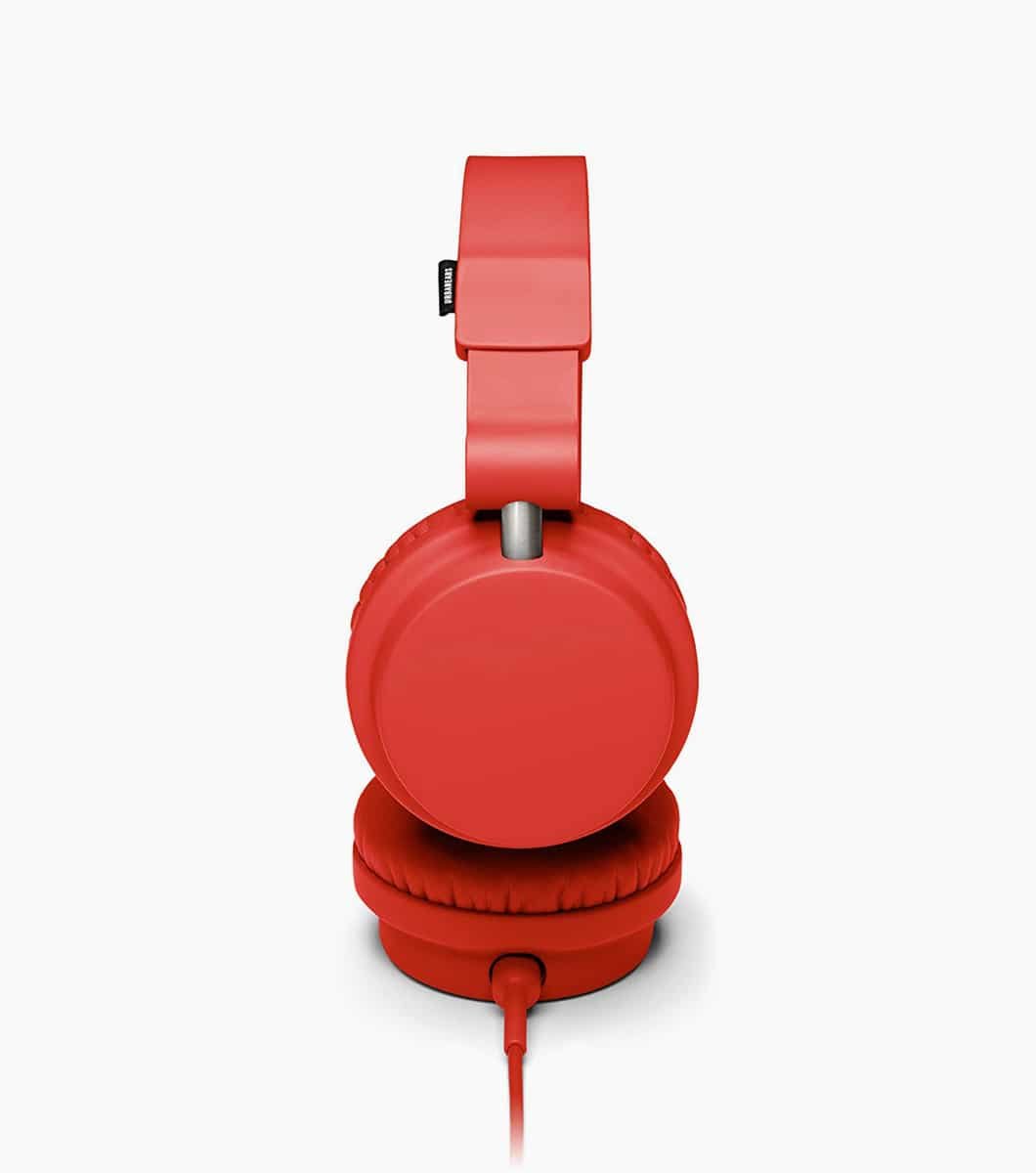
While visual and network optimization often take center stage, audio customization plays a surprisingly important role in enhancing gameplay. A well-configured audio setup can provide crucial spatial awareness, allowing you to pinpoint the location of enemies, footsteps, and other important sounds in the game environment. Using a good quality headset with surround sound capabilities can greatly enhance this spatial awareness. Adjusting the equalizer settings can also help emphasize important frequencies, such as footsteps or gunshots. Experiment with different equalizer presets or create your own custom profile to optimize the audio for your preferences.
In-game audio settings also offer opportunities for customization. Many games allow you to adjust the volume of individual sound effects, such as music, dialogue, and environmental sounds. Lowering the volume of less important sounds can help you focus on crucial audio cues. Furthermore, enabling features like virtual surround sound or headphone positional audio can further enhance spatial awareness. Consider using audio software that offers advanced customization options, such as Dolby Atmos for Headphones or Windows Sonic for Headphones. These technologies can create a more immersive and realistic audio experience, giving you a competitive edge.
Beyond Settings: Ergonomics and Player Health
The pursuit of optimal gaming performance shouldn't come at the expense of your physical health. Maintaining good ergonomics and taking regular breaks are essential for preventing injuries and maximizing your long-term enjoyment of gaming. Ensure your chair provides adequate support for your back and shoulders, and adjust your monitor height to reduce strain on your neck and eyes. Position your keyboard and mouse within easy reach to minimize reaching and straining. Take frequent breaks to stretch your muscles, rest your eyes, and rehydrate. Implement the 20-20-20 rule: every 20 minutes, look at something 20 feet away for 20 seconds. Prioritizing your physical well-being is just as important as optimizing your settings and equipment.
Proper hydration and nutrition also contribute to optimal performance. Stay hydrated by drinking plenty of water throughout your gaming sessions. Avoid sugary drinks and snacks, which can lead to energy crashes. Focus on consuming nutritious foods that provide sustained energy, such as fruits, vegetables, and lean protein. Getting enough sleep is also crucial for cognitive function and reaction time. Aim for 7-8 hours of sleep per night to ensure you’re well-rested and alert when you game. It’s a holistic approach, recognizing that maximizing gaming potential isn’t merely about technical adjustments, but about supporting the player as a whole.