




















- Remarkable interiors for discerning tastes with https://sankras-uk.uk and unparalleled design inspiration
- The Art of Space Planning and Layout
- Maximizing Small Spaces
- The Power of Color and Texture
- Creating Mood Boards
- Lighting: Beyond Illumination
- Smart Lighting Solutions
- Choosing the Right Furniture and Accessories
- Elevating Interiors Through Professional Guidance
Remarkable interiors for discerning tastes with https://sankras-uk.uk and unparalleled design inspiration
Creating a truly remarkable interior space is a multifaceted process, one that requires a keen eye for detail, a deep understanding of design principles, and often, the guidance of professionals. Many homeowners embark on renovation or new build projects with a vision, but translating that vision into reality can be surprisingly complex. The right interior design choices can dramatically enhance your quality of life, fostering a sense of calm, functionality, and personal expression. Finding a partner who can navigate the complexities of space planning, material selection, and project management is crucial for a successful outcome. This is where companies like https://sankras-uk.uk step in, offering expertise to elevate homes from merely livable to genuinely inspiring.
The modern homeowner increasingly views their home as an extension of their personality, a sanctuary that reflects their values and lifestyle. This has led to a surge in demand for bespoke interior design solutions tailored to individual needs and preferences. No longer is it sufficient to simply furnish a space with off-the-shelf items; there's a growing desire for curated environments that tell a story. From subtle color palettes to bold statement pieces, the details matter. A skilled interior designer doesn’t just decorate; they craft experiences, ensuring that every element works in harmony to create a cohesive and inviting atmosphere. The impact of thoughtful design extends beyond aesthetics, influencing mood, productivity, and even wellbeing.
The Art of Space Planning and Layout
Effective space planning is the foundation of any successful interior design project. It’s about more than just arranging furniture; it’s about understanding how people will move through and interact with a space. A poorly planned layout can feel cramped and disjointed, while a well-considered design can maximize functionality and create a sense of flow. This involves careful consideration of factors like natural light, traffic patterns, and the overall proportions of the room. It’s crucial to assess the purpose of each area, identifying how it will be used on a daily basis. For example, a living room might need to function as a relaxing retreat, a home entertainment zone, and a space for family gatherings, requiring a versatile layout that can accommodate different activities. Ignoring these practical considerations can lead to frustration and a design that doesn’t truly meet your needs. The initial planning phase should also involve a thorough assessment of existing architectural features, working with them rather than against them to create a seamless design.
Maximizing Small Spaces
One of the biggest challenges in modern interior design is making the most of limited space. This is particularly relevant for city dwellers and those living in older properties. However, with clever planning and a few strategic design choices, even the smallest rooms can feel spacious and inviting. Utilizing vertical space is key – think tall bookshelves, wall-mounted storage, and floor-to-ceiling curtains. Mirrors can also work wonders, creating the illusion of depth and reflecting light. Choosing furniture with multi-functional capabilities, such as ottomans with storage or sofa beds, can help to minimize clutter. Light color palettes can also make a space feel larger and airier. Avoiding heavy, dark colors can open up the room, making it feel less confined. Ultimately, maximizing small spaces requires a blend of practicality and creativity, focusing on solutions that enhance both functionality and aesthetics.
| Design Challenge | Potential Solution |
|---|---|
| Limited Floor Space | Utilize vertical storage, mirrors, and multi-functional furniture. |
| Lack of Natural Light | Employ light color palettes, sheer curtains, and strategically placed lighting. |
| Cluttered Appearance | Implement clever storage solutions, declutter regularly, and adopt a minimalist approach. |
| Poor Flow and Functionality | Re-evaluate space planning, consider traffic patterns, and prioritize key activities. |
Understanding these challenges and solutions is a core element of a successful design approach, and often benefits from the expertise of professionals specializing in maximizing space.
The Power of Color and Texture
Color and texture are fundamental elements of interior design, capable of profoundly impacting the mood and atmosphere of a space. Color psychology plays a significant role in how we perceive and react to our surroundings. Cool colors like blues and greens tend to evoke feelings of calm and serenity, making them ideal for bedrooms and bathrooms. Warm colors like reds and oranges can create a more energetic and inviting atmosphere, suitable for living rooms and dining areas. However, it's important to consider the interplay between colors and how they work together to create a harmonious balance. Texture adds depth and visual interest, preventing a space from feeling flat or one-dimensional. Layering different textures – such as smooth silk, rough linen, and plush velvet – can create a rich and inviting tactile experience. The choice of textures should also be aligned with the overall style and functionality of the space. For example, durable and easy-to-clean textures are ideal for high-traffic areas, while softer, more luxurious textures are best suited for relaxing spaces.
Creating Mood Boards
Before embarking on any major design project, creating a mood board is an invaluable step. A mood board is a visual compilation of colors, textures, materials, and images that represent the desired aesthetic. It serves as a reference point throughout the design process, ensuring that all elements work together harmoniously. Gathering inspiration from magazines, websites like Pinterest, and design blogs can help you to define your personal style. Include fabric swatches, paint chips, and images of furniture and accessories that you love. The goal is to create a cohesive visual representation of the overall look and feel you're aiming for. This process can also help you identify potential clashes or inconsistencies early on, saving you time and money in the long run. It’s a tangible way to communicate your vision to designers and contractors, ensuring everyone is on the same page.
- Define your overall style (e.g., minimalist, bohemian, traditional).
- Choose a color palette that reflects your desired mood.
- Gather textures that add depth and visual interest.
- Select images of furniture and accessories that inspire you.
- Refine the mood board until it accurately represents your vision.
A well-curated mood board is a powerful tool for guiding the design process and ensuring a cohesive and satisfying result.
Lighting: Beyond Illumination
Lighting is often underestimated, yet it's arguably the most transformative element of interior design. It's not simply about illuminating a space; it's about creating atmosphere, highlighting architectural features, and enhancing the overall aesthetic. Effective lighting design involves layering different types of light – ambient, task, and accent – to create a well-balanced and functional environment. Ambient lighting provides overall illumination, while task lighting is focused on specific areas, such as reading nooks or kitchen countertops. Accent lighting is used to highlight artwork, architectural details, or other focal points. The choice of light fixtures also plays a crucial role in the overall design. Chandeliers, pendant lights, and wall sconces can add a touch of elegance and sophistication, while recessed lighting offers a more subtle and understated effect. Consider the color temperature of the bulbs – warm white creates a cozy and inviting atmosphere, while cool white provides a brighter, more energetic feel.
Smart Lighting Solutions
In recent years, smart lighting technologies have revolutionized the way we illuminate our homes. Smart bulbs can be controlled remotely via smartphone or voice assistant, allowing you to adjust brightness, color temperature, and even create custom lighting scenes. This offers unparalleled flexibility and convenience, enabling you to tailor the lighting to your specific needs and preferences. Motion sensors can automatically turn lights on and off, saving energy and enhancing security. Smart lighting systems can also be integrated with other smart home devices, creating a truly connected and automated living experience. From waking up to a simulated sunrise to dimming the lights for movie night, the possibilities are endless. Exploring options like https://sankras-uk.uk can provide access to cutting-edge lighting solutions and professional installation services.
- Assess your lighting needs for each room.
- Choose the appropriate type of lighting for each task.
- Select light fixtures that complement your overall style.
- Consider incorporating smart lighting technologies for added convenience.
- Experiment with different lighting scenes to create the desired atmosphere.
Investing in a well-designed lighting scheme can dramatically enhance the beauty and functionality of your home.
Choosing the Right Furniture and Accessories
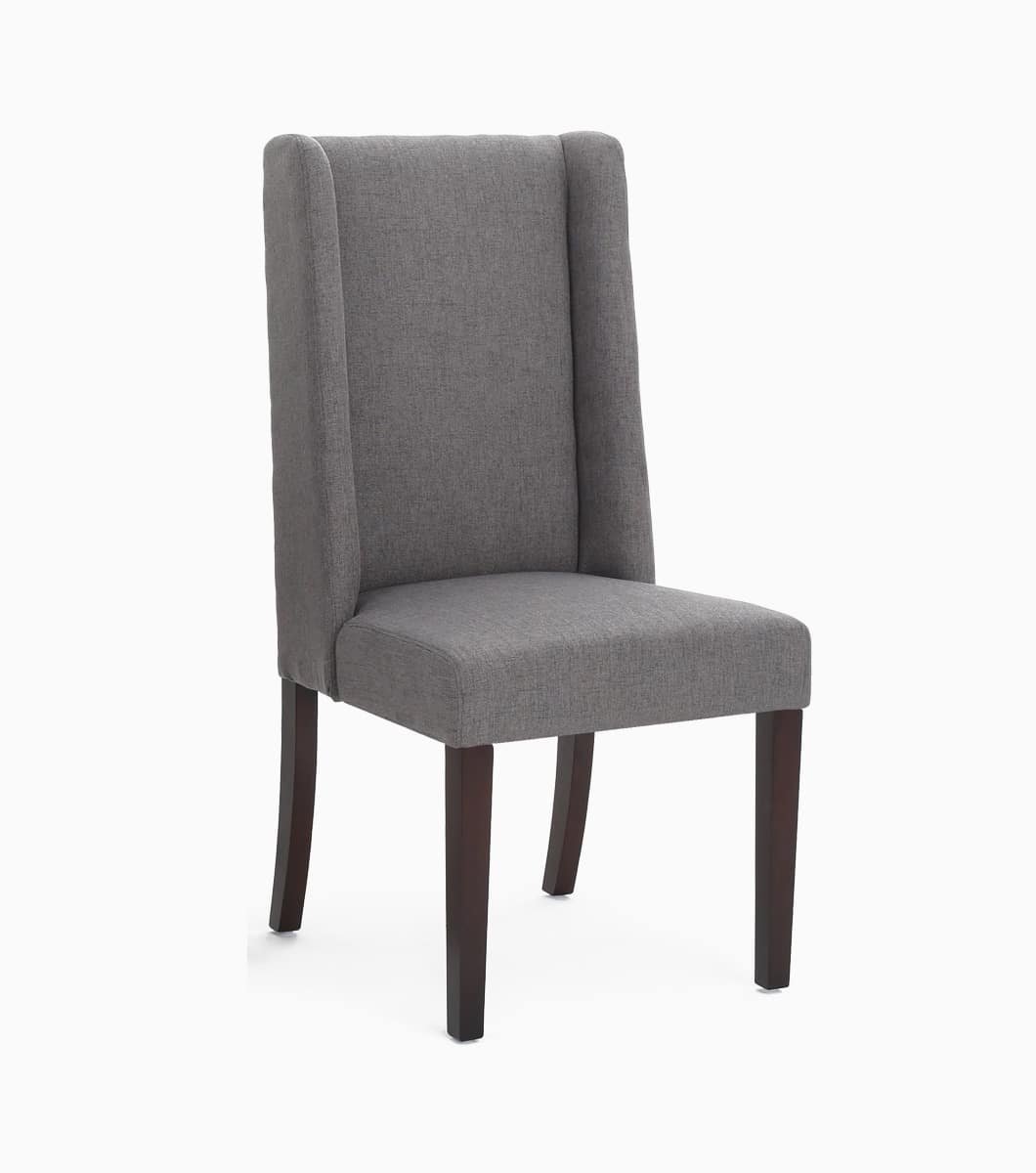
Selecting furniture and accessories is where personal style truly comes into play. It’s the opportunity to infuse your space with personality and create a reflection of your individual tastes. Prioritize quality and durability when choosing furniture, opting for pieces that are built to last. Consider the scale and proportions of the furniture in relation to the room – oversized pieces can overwhelm a small space, while undersized pieces can look lost in a large room. Pay attention to the materials and finishes, selecting options that complement the overall design aesthetic. When it comes to accessories, less is often more. A curated selection of artwork, textiles, and decorative objects can add character and charm without cluttering the space. Focus on pieces that have personal meaning or evoke a sense of joy. Don't be afraid to mix and match different styles and textures, but ensure there's a cohesive thread that ties everything together.
Elevating Interiors Through Professional Guidance
While DIY projects can be rewarding, tackling a full-scale interior design transformation can be daunting. Engaging a professional interior designer offers numerous benefits, from access to specialized knowledge and expertise to streamlined project management. Designers can help you navigate the complexities of space planning, material selection, and contractor coordination, saving you time, money, and stress. They can also provide valuable insights into current trends and emerging technologies, ensuring your design is both stylish and functional. A skilled designer will work closely with you to understand your lifestyle, preferences, and budget, creating a customized design that perfectly meets your needs. They can also source unique furniture and accessories, and oversee the installation process, ensuring a seamless and stress-free experience. Consider resources like https://sankras-uk.uk for connecting with qualified professionals and accessing a wider range of design services.
Ultimately, investing in professional interior design is an investment in your wellbeing and quality of life. It’s about creating a space that not only looks beautiful but also feels comfortable, functional, and truly reflective of who you are. From initial consultation to final installation, a skilled designer can guide you through every step of the process, transforming your house into a home you’ll love for years to come. The ability to conceptualize and execute a cohesive design vision, coupled with access to industry resources, makes professional guidance an invaluable asset.