












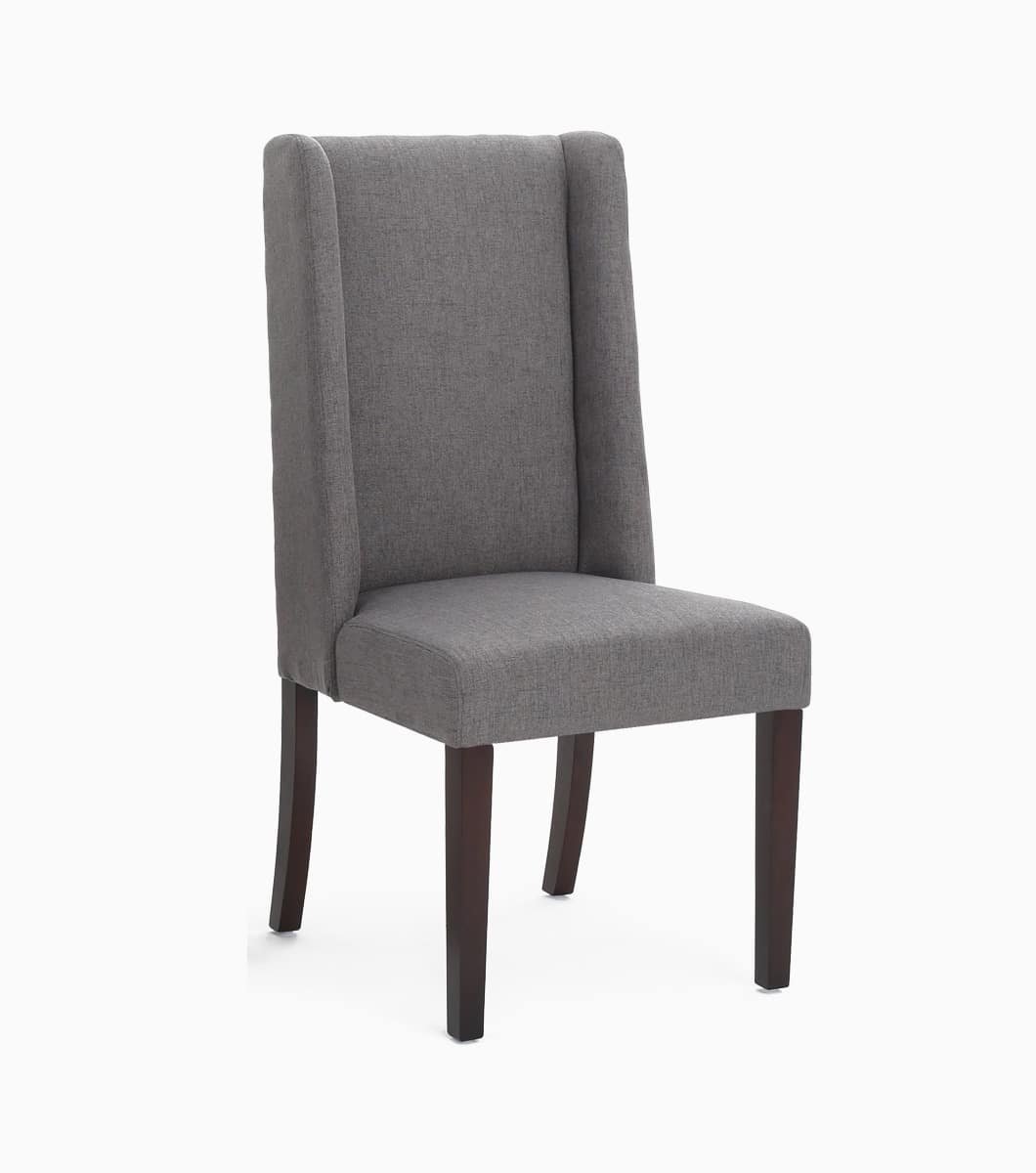













- Detailed planning with sankrasuk.co.uk unlocks beautiful home transformation possibilities
- Understanding Your Renovation Needs
- Defining Your Style and Budget
- The Power of Professional Design Consultation
- Benefits of Working with an Interior Designer
- Project Management: Keeping Things on Track
- Key Responsibilities of a Project Manager
- Considering Sustainable and Eco-Friendly Options
- Beyond the Aesthetics: Creating Functional Living Spaces
Detailed planning with sankrasuk.co.uk unlocks beautiful home transformation possibilities
Transforming a house into a home is a deeply personal journey, filled with exciting possibilities and, often, daunting decisions. From envisioning the ideal layout to selecting the perfect colour palettes and furnishings, the process demands careful planning and a keen eye for detail. Finding a reliable partner to navigate this journey can be invaluable. sankrasuk.co.uk offers a comprehensive suite of services designed to empower homeowners to unlock the full potential of their living spaces, providing expert guidance and support at every stage of the transformation. It's about more than just aesthetics; it's about creating a home that truly reflects your lifestyle and enhances your wellbeing.
The pursuit of a beautifully renovated or redesigned home often involves juggling numerous considerations – budget constraints, logistical challenges, and the sheer volume of choices available. A successful project hinges on a well-defined plan, meticulous execution, and a collaborative approach. Many homeowners find themselves overwhelmed by the complexity of the process, leading to delays, cost overruns, and ultimately, a less-than-satisfactory result. That’s where professional assistance becomes essential, offering clarity, expertise, and peace of mind. This is where resources like design consultation and project management really shine, and can truly make the experience enjoyable.
Understanding Your Renovation Needs
Before embarking on any renovation or redesign project, it’s crucial to take a step back and thoroughly assess your needs and priorities. This initial phase is about defining your vision and establishing a clear roadmap for success. Consider what aspects of your current home are not working for you. Is it a lack of space? An outdated kitchen? Poor flow between rooms? Identifying the specific pain points will help you focus your efforts and ensure that the renovation addresses your most pressing concerns. It's also important to think about your future needs, especially if you anticipate changes in your lifestyle or family dynamics. Will you require additional bedrooms? A home office? A more accessible layout? These considerations will shape the scope of the project and influence the design choices you make.
Defining Your Style and Budget
Once you have a clear understanding of your functional requirements, you can begin to explore your aesthetic preferences and establish a realistic budget. This involves gathering inspiration from various sources – magazines, online platforms, and showrooms – to identify the styles and materials that resonate with you. Do you prefer a modern, minimalist aesthetic? A cozy, rustic farmhouse vibe? Or a classic, traditional look? Refining your style will help you create a cohesive and harmonious design scheme. Simultaneously, it’s essential to develop a detailed budget that accounts for all potential costs, including materials, labor, permits, and contingency funds. Be honest with yourself about how much you can comfortably afford to spend, and prioritize your spending accordingly. Remember to factor in the cost of professional services, such as architectural design or interior design consultation, which can add significant value to your project.
| Renovation Element | Estimated Cost Percentage |
|---|---|
| Materials (Flooring, Fixtures, etc.) | 30-40% |
| Labor Costs (Contractors, Electricians) | 40-50% |
| Design & Permits | 10-15% |
| Contingency Fund | 5-10% |
The table above provides a general guideline for cost allocation, but it’s important to note that these percentages can vary significantly depending on the scope and complexity of your project. Detailed planning and obtaining multiple quotes from qualified contractors are vital for accurate budgeting.
The Power of Professional Design Consultation
Navigating the world of interior design can be overwhelming, especially for those without formal training. A professional design consultant can provide invaluable expertise and guidance, helping you to avoid costly mistakes and create a space that is both beautiful and functional. They can assist with everything from space planning and material selection to colour coordination and furniture arrangement. Importantly, good consultants will listen to your needs, understand your style preferences, and offer creative solutions that align with your budget. They act as a translator between your vision and the practical realities of renovation, ensuring that the final result exceeds your expectations. They have access to a wide network of suppliers and contractors, and can negotiate competitive pricing on your behalf.
Benefits of Working with an Interior Designer
Beyond aesthetics, an interior designer brings a wealth of practical knowledge to the table. They are familiar with building codes, accessibility standards, and the latest design trends. They can also help you navigate complex permitting processes and ensure that your project complies with all relevant regulations. Moreover, a designer can help you maximize the value of your home by creating a space that is both appealing and functional. This is particularly important if you plan to sell your home in the future. A well-designed and renovated home will command a higher price and attract more potential buyers. Investing in professional design consultation is an investment in the long-term value and enjoyment of your home.
- Space Planning & Optimization
- Material & Finish Selection
- Colour Palette Development
- Furniture & Accessory Sourcing
- Project Management & Coordination
These are just some of the benefits, and will all contribute towards a space reflecting your personality and enhancing your daily life.
Project Management: Keeping Things on Track
Once the design phase is complete, the next step is project management – the process of coordinating and overseeing all aspects of the renovation. This involves scheduling contractors, managing budgets, and ensuring that the project stays on track. Effective project management is critical for avoiding delays, minimizing disruptions, and controlling costs. A dedicated project manager can handle all of the logistical details, allowing you to focus on enjoying the creative process. They will serve as your primary point of contact and keep you informed of progress every step of the way. They’ll also proactively address any challenges that may arise and find creative solutions to keep the project moving forward. Ignoring this step can lead to frustrating setbacks and significant cost overruns.
Key Responsibilities of a Project Manager
The role of a project manager extends beyond simply scheduling and coordinating tasks. They are also responsible for ensuring quality control, monitoring expenses, and maintaining clear communication with all stakeholders. A good project manager will have a strong understanding of construction processes, building codes, and safety regulations. They will also be skilled at problem-solving and conflict resolution. Furthermore, they will be proactive in identifying potential risks and developing mitigation strategies. Essentially, they are the conductor of the renovation orchestra, ensuring that all the different instruments – contractors, suppliers, and designers – work together harmoniously to create a beautiful and functional outcome.
- Contractor Selection & Management
- Budget Tracking & Control
- Schedule Adherence & Monitoring
- Quality Control & Inspections
- Communication & Reporting
A well-defined project management process is the key to a smooth and successful renovation.
Considering Sustainable and Eco-Friendly Options
In today’s world, sustainability is increasingly important to homeowners. When renovating, there are many ways to incorporate eco-friendly materials and practices. For example, you can choose recycled or reclaimed materials, such as reclaimed wood flooring or recycled glass countertops. You can also opt for energy-efficient appliances and lighting, which will not only reduce your carbon footprint but also lower your utility bills. Consider using low-VOC paints and finishes, which emit fewer harmful chemicals into the air. Additionally, investigate water-saving fixtures, such as low-flow toilets and showerheads. Embracing sustainable practices is not only good for the environment but can also add value to your home and enhance your overall wellbeing. There’s a growing demand for “green” homes, and incorporating sustainable features can make your property more attractive to potential buyers in the future.
Furthermore, think about the lifecycle of the materials you choose. Opting for durable, long-lasting products will reduce the need for frequent replacements, minimizing waste and conserving resources. Consider working with contractors who are committed to sustainable building practices and waste management. This could include recycling construction debris, using sustainable sourcing methods, and minimizing energy consumption during the renovation process. sankrasuk.co.uk can offer guidance in selecting appropriate materials to reduce the environmental impact of your project.
Beyond the Aesthetics: Creating Functional Living Spaces
While aesthetics are important, it’s equally crucial to prioritize functionality when renovating. A beautiful home is only truly satisfying if it also meets your practical needs and enhances your daily life. Think about how you use each room and identify opportunities to improve its functionality. For example, in the kitchen, you might consider adding more storage space, improving the layout to optimize workflow, or incorporating smart appliances. In the bathroom, you might focus on creating a spa-like atmosphere with features like a walk-in shower, a soaking tub, and ample storage for toiletries. In the living room, you might rearrange furniture to create a more inviting and comfortable seating area. Remember that good design is not just about how a space looks; it's about how it feels and how it functions. Considering accessibility is also paramount, particularly for individuals with mobility challenges or those planning to age in place.
Paying attention to details like lighting, acoustics, and ventilation can also significantly impact the functionality of your home. Adequate lighting is essential for creating a welcoming and comfortable atmosphere, while good acoustics can minimize noise and enhance privacy. Proper ventilation is crucial for maintaining healthy indoor air quality. By carefully considering all of these factors, you can create living spaces that are not only beautiful but also practical, comfortable, and supportive of your lifestyle. The team at sankrasuk.co.uk are well-versed in offering such details to create an outstanding result.