





















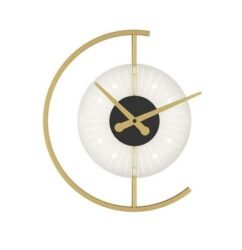

- Exceptional styling and thebonrush-uk.co.uk elevate everyday living spaces beautifully
- Elevating Your Home with Texture and Tone
- The Impact of Lighting on Interior Ambiance
- Curating a Collection of Meaningful Objects
- The Role of Textiles in Creating Comfort
- The Art of Spatial Arrangement and Flow
- Maximizing Space in Smaller Living Areas
- Sustainable Style: Eco-Conscious Choices for Your Home
- Beyond Trends: Cultivating a Timeless Interior
Exceptional styling and thebonrush-uk.co.uk elevate everyday living spaces beautifully
Creating a truly inviting and functional living space is a desire shared by many, and often hinges on the careful selection of décor and furnishings. More than just aesthetics, the pieces we choose contribute significantly to the overall atmosphere and practicality of our homes. Finding sources for unique and high-quality items can be a challenge, however, leading individuals to explore diverse retailers and design philosophies. For those seeking exceptional styling and curated collections, exploring options like thebonrush-uk.co.uk can be a rewarding endeavor, potentially unlocking a fresh perspective on home enhancement.
The modern homeowner often prioritizes both beauty and durability, desiring pieces that not only look good but also withstand the rigors of daily life. This has led to a growing interest in items crafted from sustainable materials, showcasing artisan craftsmanship, and reflecting a commitment to mindful consumerism. Whether it’s a statement piece of furniture or delicate accents, the right selection can transform a house into a home, a sanctuary tailored to individual tastes and needs. The importance of creating these personalised spaces is greater than ever, offering respite from the demands of the outside world.
Elevating Your Home with Texture and Tone
The interplay of texture and tone is paramount in interior design. A room dominated by a single texture can feel flat and uninviting, whereas a harmonious blend creates depth and visual interest. Consider incorporating a variety of materials such as woven fabrics, natural wood, smooth metals, and tactile ceramics. These elements contribute to a richer, more layered aesthetic. Don’t underestimate the power of subtle tonal variations either. Instead of relying solely on stark contrasts, explore a palette of complementary shades within a single color family. This approach fosters a sense of cohesion and tranquility. Layering these nuances expertly will offer a sophisticated atmosphere that feels both modern and welcoming. The careful selection of colours paints a room beyond just aesthetics; it establishes a mood.
The Impact of Lighting on Interior Ambiance
Lighting is often an overlooked yet critical component of interior design. It’s not simply about illumination; it's about shaping the mood and highlighting architectural features. Employing a variety of light sources – ambient, task, and accent – allows for a more dynamic and functional space. Ambient lighting provides general illumination, task lighting focuses on specific activities (like reading or cooking), and accent lighting draws attention to artwork or architectural details. Dimmer switches are an invaluable investment, offering the flexibility to adjust the intensity of light according to the time of day and desired atmosphere. Warm-toned lightbulbs create a cozy and inviting feel, while cooler tones are more suitable for workspaces. Thoughtful lighting design is about creating an atmosphere that supports the way a space is used.
| Lighting Type | Purpose | Example Fixtures |
|---|---|---|
| Ambient | General Illumination | Chandeliers, Recessed Lighting, Flush Mounts |
| Task | Specific Activities | Desk Lamps, Under-Cabinet Lighting, Reading Lamps |
| Accent | Highlighting Features | Spotlights, Wall Washers, Picture Lights |
Effective use of lighting can dramatically alter the perception of a room, making it feel larger, warmer, or more intimate. Neglecting this aspect of design can leave a space feeling cold and uninviting, regardless of other decorative choices. Investing in quality lighting fixtures and carefully planning their placement is a worthwhile endeavour for any aspiring interior designer.
Curating a Collection of Meaningful Objects
A home should reflect the personality and passions of those who inhabit it. Moving beyond simply filling a space with furniture, the art of curation involves thoughtfully selecting items that hold personal significance. These could be travel souvenirs, family heirlooms, artwork collected over time, or handcrafted pieces that resonate with your aesthetic sensibilities. The key is to avoid clutter and instead focus on displaying items that tell a story. Each object should have a place and a purpose, contributing to the overall narrative of the room. A well-curated collection isn't necessarily about expensive items; it's about pieces that evoke memories, spark joy, and reflect your unique identity. It allows your dwelling to present a character uniquely your own.
The Role of Textiles in Creating Comfort
Textiles play a crucial role in creating a comfortable and inviting atmosphere. From plush rugs and cozy throws to luxurious curtains and decorative pillows, fabrics add warmth, texture, and visual interest to any space. Consider the weight and composition of your textiles based on the time of year and the intended use of the room. Lighter fabrics like linen and cotton are ideal for warm weather, while heavier materials like wool and velvet provide warmth and insulation during colder months. Experiment with different patterns and textures to create visual contrast and depth. Don't be afraid to mix and match, but ensure there's a cohesive color palette to tie everything together. These elements contribute significantly to the feeling of comfort and wellbeing within a space.
- Rugs define areas and add warmth underfoot.
- Throw blankets provide cozy comfort on sofas and chairs.
- Curtains control light and add privacy.
- Pillows offer both comfort and decorative appeal.
The strategic use of textiles can significantly enhance the functionality and aesthetics of a room. Choosing materials that are both visually appealing and practical ensures a space that is both beautiful and livable. Proper consideration of fabrics is an important step toward creating a truly welcoming home.
The Art of Spatial Arrangement and Flow
Effective spatial arrangement is vital for creating a functional and aesthetically pleasing home. It’s not simply about placing furniture randomly within a room, but rather, optimizing the layout to facilitate movement and interaction. Consider the natural flow of traffic and ensure there’s ample space for people to move around comfortably. Avoid blocking doorways or creating obstacles that disrupt the flow. Arranging furniture in conversational groupings encourages social interaction, while creating distinct zones within an open-plan space can define different areas for specific activities, such as dining, relaxing, or working. It is easy to fall into the trap of merely fitting items into a room; instead, consider how a clever layout can elevate the living experience.
Maximizing Space in Smaller Living Areas
When working with limited square footage, maximizing space is paramount. Multifunctional furniture is a smart investment, serving dual purposes and reducing clutter. For example, an ottoman with hidden storage can provide seating and storage in one. Vertical storage solutions, such as bookshelves and wall-mounted cabinets, make use of otherwise unused space. Mirrors can create the illusion of a larger room by reflecting light and expanding the visual field. A minimalist approach to décor, focusing on essential items and avoiding excessive ornamentation, can also help to create a sense of spaciousness. Embrace clever storage solutions and prioritize functionality without sacrificing style. Applying these principles is vital for making the most of compact living areas.
- Utilize multifunctional furniture.
- Employ vertical storage solutions.
- Incorporate mirrors to expand the space.
- Adopt a minimalist décor approach.
Strategic planning and innovative design solutions can transform even the smallest living areas into functional, comfortable, and stylish spaces. These considerations represents a worthwhile investment for those looking to optimise their home environment.
Sustainable Style: Eco-Conscious Choices for Your Home
Increasingly, homeowners are prioritizing sustainability when making design choices. This involves selecting materials and products that are environmentally friendly, ethically sourced, and designed for longevity. Look for furniture made from reclaimed wood or bamboo, fabrics crafted from organic cotton or recycled materials, and paints with low VOC (volatile organic compounds) content. Supporting companies that prioritize sustainable practices is crucial. Beyond materials, consider energy-efficient lighting, water-saving fixtures, and reducing waste through mindful consumption. Embracing a sustainable approach to home décor reflects a commitment to both personal wellbeing and the health of the planet. It is no longer a niche trend, but a fundamental shift towards responsible living.
The appeal of sustainable styling extends beyond environmental benefits; it also often results in pieces of exceptional quality and character. Handcrafted items, created using traditional techniques and natural materials, often possess a unique charm that mass-produced products simply can’t replicate. Investing in these pieces is an investment in artistry, craftsmanship, and timeless style. Responsible consumerism is ultimately about making informed choices that align with your values and contribute to a more sustainable future. Resources like thebonrush-uk.co.uk can provide inspiration and access to ethically sourced home goods.
Beyond Trends: Cultivating a Timeless Interior
Interior design trends come and go, but cultivating a timeless style that transcends fleeting fashions is a more enduring pursuit. This involves focusing on classic silhouettes, neutral color palettes, and high-quality materials. Instead of chasing the latest trends, invest in pieces that you genuinely love and that will stand the test of time. Layering textures and incorporating personal touches can add depth and personality without sacrificing a sense of timelessness. A well-designed space should feel comfortable and inviting, regardless of current trends. Focusing on quality, comfort, and personal expression is the key to creating a home that feels truly authentic and enduring. Remember, the goal isn’t to replicate a magazine spread, but to create a space that reflects your unique lifestyle and tastes.
Consider the long-term implications of your design choices. While a brightly colored accent wall might be trendy today, it could quickly become dated. Opting for neutral tones that can be easily updated with accessories allows for greater flexibility and longevity. Investing in well-made furniture that will last for years is a more sustainable and cost-effective approach than constantly replacing cheaper, trend-driven pieces. A timeless interior isn’t about avoiding style altogether; it’s about creating a foundation that allows you to incorporate personal touches and adapt to changing preferences over time. A classic design will remain elegant long after the latest trends have faded away, offering a sanctuary of enduring style and comfort.